What nosov.ai is
A working journal on rebuilding knowledge work with AI: the methods, the field notes, and a graded library of the evidence.

As of : 179 sources kept in the Library, 15 of them graded S, filed over 19 weeks; 62 pieces written.
How it works
The writing is mine and speaks for no employer. It draws on my own work, inside and outside my jobs, on conversations with people solving the same problems in other companies, and on the sources in the Library.
-
Screen
Every week an automated screening method I built goes through the stream of AI news and research: papers, institution and consultancy reports, company write-ups, talks and podcasts, in English, Russian, Chinese and other languages. Most of it is noise; the method exists to find what is not. Chinese sources are summarised from translation and marked as such.
-
Grade
What passes gets an English digest and a grade, S to C, and goes into the Library. The rest are left out. Every entry links to the original; nothing is rehosted.
-
Summarise
Every week a written summary goes up under Weekly: what happened, what it means for work, and what to watch, with the sources linked. A short audio version is added when one is made.
-
Write
My own pieces are under Writing; the longer ones under Long reads.
The screening, digests and grades are made by AI models working to a method I designed and keep tuning: which sources to watch, what counts as evidence, how to grade, what to drop. The method improves every week. The pieces under Writing are mine.
Chart 1
What the Library holds, by type and tier
Number of sources. A darker segment is a stronger grade.
- S · Shapes the field
- A · Strong evidence
- B · Useful, limited
- C · Weak signal
How sources are graded
Tier S sourcesA grade rests on what the screening could read: the full text, the abstract only, a transcript, or only the title and listing when the content was not available. Each source page says which, and gives the reason for its grade in one sentence.
Every week
The Library grows by the week. Each week's sources feed that week's summary, and the summary links back to them, so every claim can be checked against the original.
Latest: Week 41, 3-10 October 2026
179 sources from 105 organisations, in 3languages.
By type
- Report58
- Paper53
- Article40
- Survey10
- Talk or podcast10
- Other8
By language
- English158
- Russian13
- Chinese8
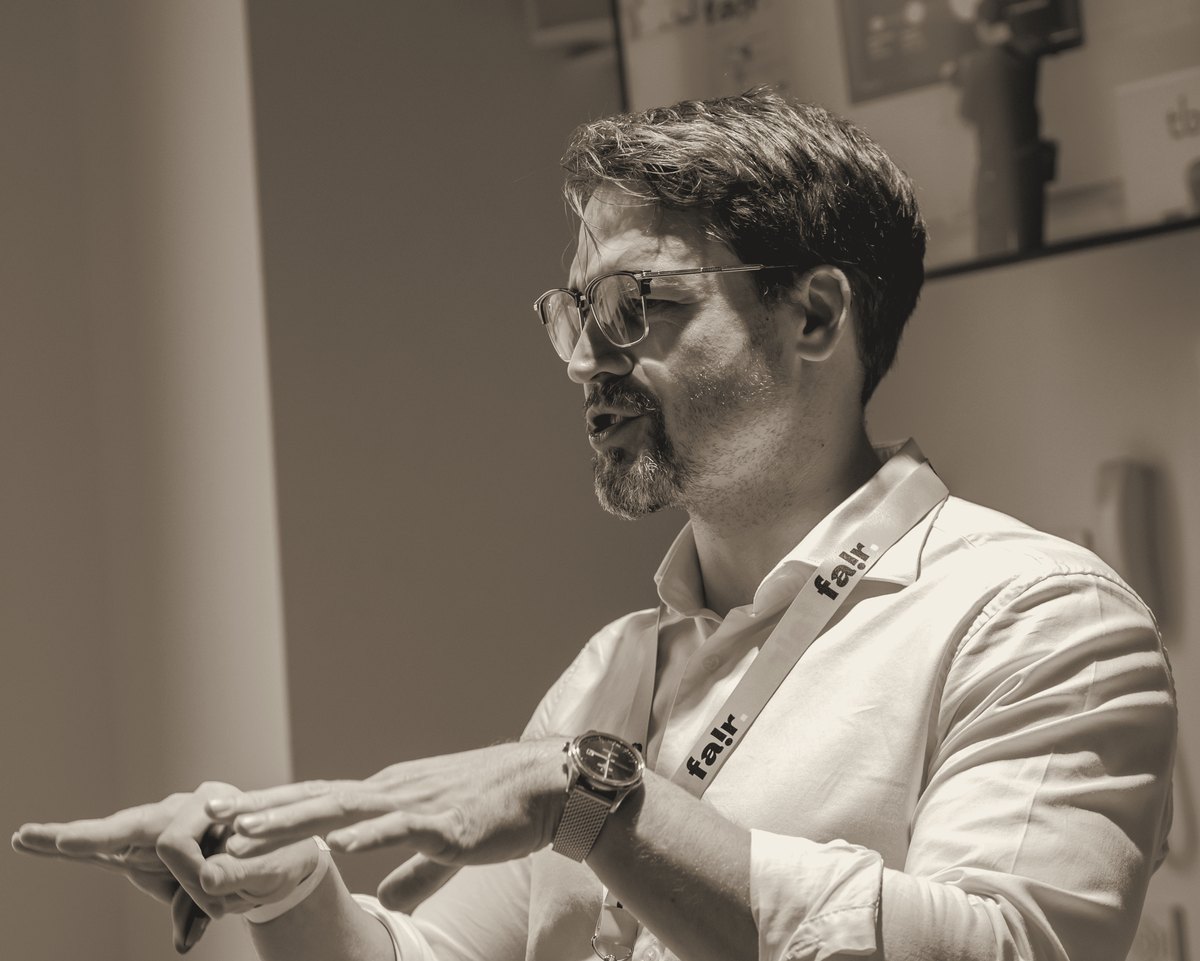
Ivan Nosov
I lead AI enablement and transformation: I design the system around the work, set the architecture, and help the people closest to the work become the ones who build. Before AI, fifteen years of transformation inside multinationals of tens of thousands of people: operating models, analytics, workforce planning, integrations after acquisitions. Trained as an automation engineer; I still build. Executive MBA, SDA Bocconi. Based in Milan.
Talks, panels and podcasts
-
AI transformation: strategy, structure and workforce sustainability
Panel with Adriano Bruno (The Conference Board) and Karlijn van den Berg (ABN AMRO), moderated by Peter Zemsky (INSEAD).
-
The six percent
One-hour workshop on AI enablement for the council members.
-
Building the digital twin of the HR function
Keynote on the Tech & Talent Stage, FAIR Barcelona 2026.
-
After the AI pilot: building an HR digital twin
What happens after an AI pilot works: starting with the tools already available, proving demand, and why HR is a useful testbed.
-
Pay equity analysis when you're not a data scientist
Conversation for compensation and total rewards leaders on running pay equity and pay transparency analysis without a data science team.
-
From ratings to line of sight
Talk to CHROs and senior HR leaders on performance management as a source of strategy intelligence.
In-house company sessions are private and not listed.
Contact
No sponsors, no affiliate links, no paid placements.