Week 12 · 2026 · Post
AI and the Solow paradox
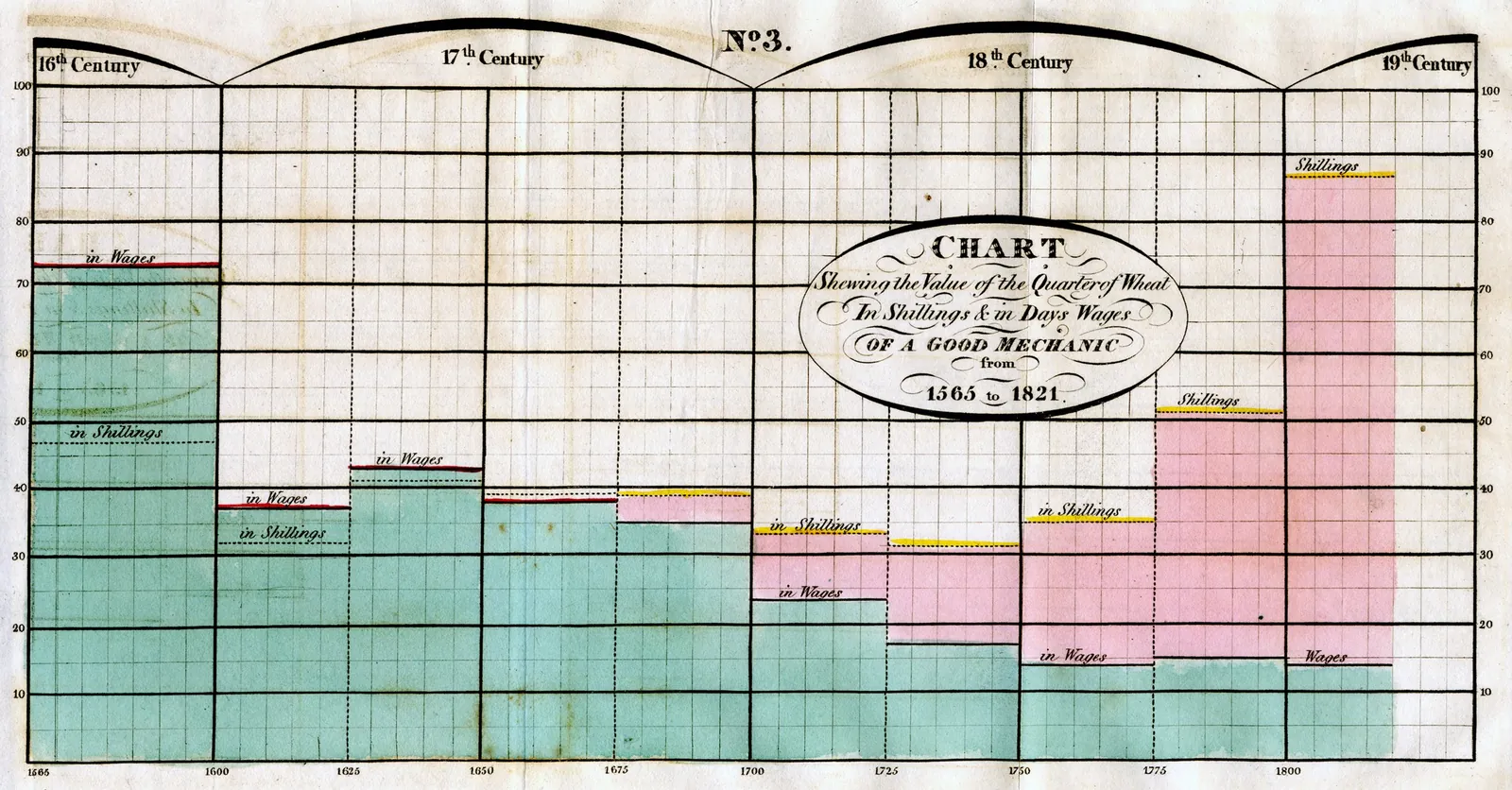

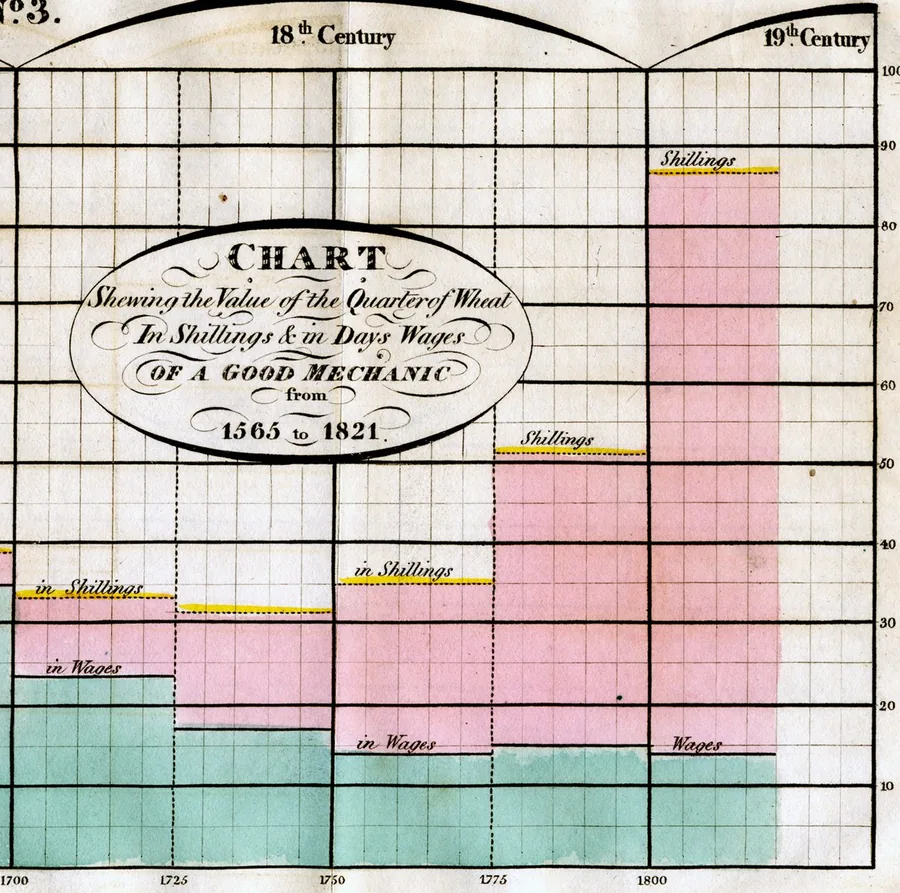 Detail, 1700 to 1821, enlarged
 You can see the computer age everywhere but in the productivity statistics"
Robert Solow wrote that in 1987. Nobel laureate, one sentence, and it described the next decade of corporate IT perfectly. Companies bought computers, connected networks, installed software on every desk. Productivity didn't move.
Thirty-nine years later, same paradox, different technology.
The NBER just published one of the few AI adoption surveys fielded through central bank panels rather than paid internet samples - almost 6,000 CEOs and CFOs across the US, UK, Germany, and Australia. The findings:
69% of firms actively use AI
89% report zero productivity impact over the past three years
Executives themselves average 1.5 hours per week with AI. A quarter don't use it at all
The original Solow Paradox took about 10 years to resolve. Computers eventually showed up in the productivity data, but only after organizations redesigned workflows around the technology.
Paul David, a Stanford economic historian, documented the same pattern with electricity. Factories in the 1880s bolted electric dynamos onto steam-era layouts - same floor plan, same belt-and-pulley system, just a different motor. Modest fuel savings. Zero process change. Productivity came a generation later, when factories were physically rebuilt around individual electric motors, with single-floor layouts and production lines designed around material flow.
The pattern repeats because the mistake repeats. Most companies are at the dynamo-on-a-steam-floor stage with AI right now. Copilot sits inside Word. AI assistants summarize meetings that shouldn't have happened. Chatbots answer questions from knowledge bases nobody has updated since 2023.
Old workflows absorb new tools without changing outcomes.
Where I've seen AI actually shift output, the starting point was infrastructure - switching from .docx and .pptx to formats AI can parse, replacing static files with structured knowledge that stays current. Those are the early moves, clearing the ground.
The larger shift is what comes after. When information is structured, you can redesign how work flows - which steps disappear entirely, which move from teams to individuals, where a process that took a chain of five people compresses into one person with an AI operating on clean inputs. That's the factory floor being rebuilt, not just the motor being swapped.
Most AI budgets go to licenses. Almost none go to the sequencing that makes those licenses productive - first making work legible, then redesigning the workflows around what becomes possible. In most organizations, that's nobody's job description. The gap is visible in the NBER data, and probably recognizable in your own calendar, somewhere between the third AI demo and the first redesigned process.
Solow's paradox resolved when the factory floor was redesigned, not when better motors arrived. Same principle, different century.